That's it: summer, awaited by so many, has finally arrived! We can smell the characteristic scents of barbecues and fires, around which people chat happily, but also of flowers blooming in the sun; we hear insects and birds composing sweet melodies that are so pleasant to wake up to. And then we feast our eyes on all those colors and shapes! Want to dig deeper with us to learn more about summer? Let's go!
Table of Contents
Astronomically, what is it?
It's the continuation of Earth's dance with the Sun. This time, we're talking about the June solstice, which represents summer in the Northern Hemisphere and winter in the Southern Hemisphere. This year (2026), on June 21st, the northern end of the planet's axis of rotation is closest to the Sun. So it's the longest day, yay!
Here's a diagram showing you that the sun's rays are concentrated in the north, hence the increased heat and sunshine during this period.

It's buzzing in the garden!
In winter and spring, most of the work was done: plant selection, garden plan, indoor sowing, soil preparation, transplanting, direct sowing, weeding, mulching, watering... So everything is in place! But there's still important work to do: maintenance.
You need to monitor plant growth, ensure they lack nothing, that they are not attacked by animals or diseases, weed regularly, and... harvest!
Know that a plant has one goal: to reproduce to ensure the perpetuation of its species. So once you see flowers appear, don't leave them for too long because the next step is seed production, and then the plant will die (annual) or concentrate its energy in its roots (perennial). However, if you want to harvest leaves and flowers all summer long, you'll need to prolong the pleasure by pruning the plants. This action will stimulate their growth. Marigolds, for example, can produce flowers from June to November, weather permitting!

Don't forget to enjoy your garden as much as possible because summer is when the result of all that labor finally appears: it's beautiful, it smells good, you feel proud contemplating this magnificent oasis. Take time to relax there and listen to the birds while gazing at the rows: it's so rejuvenating!
Taking care of yourself
The summer season doesn't spare us. We want to be outside all the time, we often invite each other over, there's the excitement of festivals and other events, gardening and nature walks are a must... in short, it's madness for body and mind! Our advice is to go with your energy, because it's just asking to come out, but don't forget to rest. Reading or taking a nap in the shade of a tree, drinking a cool herbal tea while watching butterflies, listening to your favorite record and doing nothing else: that's also life!

Now, here are some good practices to protect the organ most affected by summer: the skin!
Cherish it all year round
It's no secret: skin needs to be nourished and hydrated regularly. This helps facilitate its regeneration, preserve its elasticity, and alleviate conditions (psoriasis, eczema, etc.). Creams provide comprehensive action by supplying our skin with the necessary fats and water. Emulsifying waxes, used to mix aqueous and fatty bodies, also have the interesting property of preserving hydration and protecting against external aggressions.
But when summer heat is present, these waxes and the high fat content of creams become difficult to tolerate. Upon application, we sweat and feel like we have an extra layer when all we want is freshness. There are very light creams, or even better: gels that are very hydrating, with a touch of oil to lightly nourish, and since they don't have emulsifying waxes, the pores breathe fully. At Sauvage-s, we've formulated Allô! Aaah… which leaves a fresh sensation on the skin. You can apply it regularly throughout the day because it penetrates easily, and you'll quickly become addicted to the scent (mmmmh verbena-mint)!
The sun, an ally to be wary of
Yes, it's great and it feels good to be exposed to the sun from time to time, but in reality, the keyword is "moderation". Our star provides vitamin D, good mood, and can alleviate certain dermatological conditions. Nevertheless, it accelerates skin aging and is a cause of certain cancers.
So to avoid these inconveniences, here are some tips.
- Avoid prolonged exposure between 11 am and 3 pm.
- Prefer shade most of the time and expose yourself outside the previously mentioned time slot.
- If you have no choice and must stay in the sun for a long time, protect yourself with sunscreen (preferably mineral).
If you get a sunburn, many plants can help you: calendula, St. John's wort (be careful, it is photosensitizing, so do not expose yourself after application), comfrey, horsetail, yarrow, chamomile. In the form of pure macerates or macerates incorporated into balms or creams, they can help you heal. Our OUF balm is also a winning combo with its lovingly homemade macerates!
Bugs exist, so do solutions
It's often the thing our memory erases from one year to the next: we only remember the fullness of summer, forgetting the presence of biting insects. And yet, from June to August, they are indeed there.

We don't know of any truly effective natural products to repel them. We have tried several products, and we also make some every year, with essential and vegetable oils known for their repellent actions. Unfortunately, this only works for a few minutes in the woods... That's why you won't find anything on this subject in our shop yet!
Let's still mention a few essential oils if you want to try them this summer: spike lavender, rose geranium, citronella, lemon eucalyptus, peppermint, lemon verbena.
Since we're against DEET, as you might have guessed, we get bitten. But we have our OUF balm to the rescue! Basically, what your skin needs quickly once attacked by a bug are soothing plants that will aid in healing. Calendula is once again a good choice for healing, but also think of plantain, chamomile, and spike lavender to relieve itching.
An exciting diet
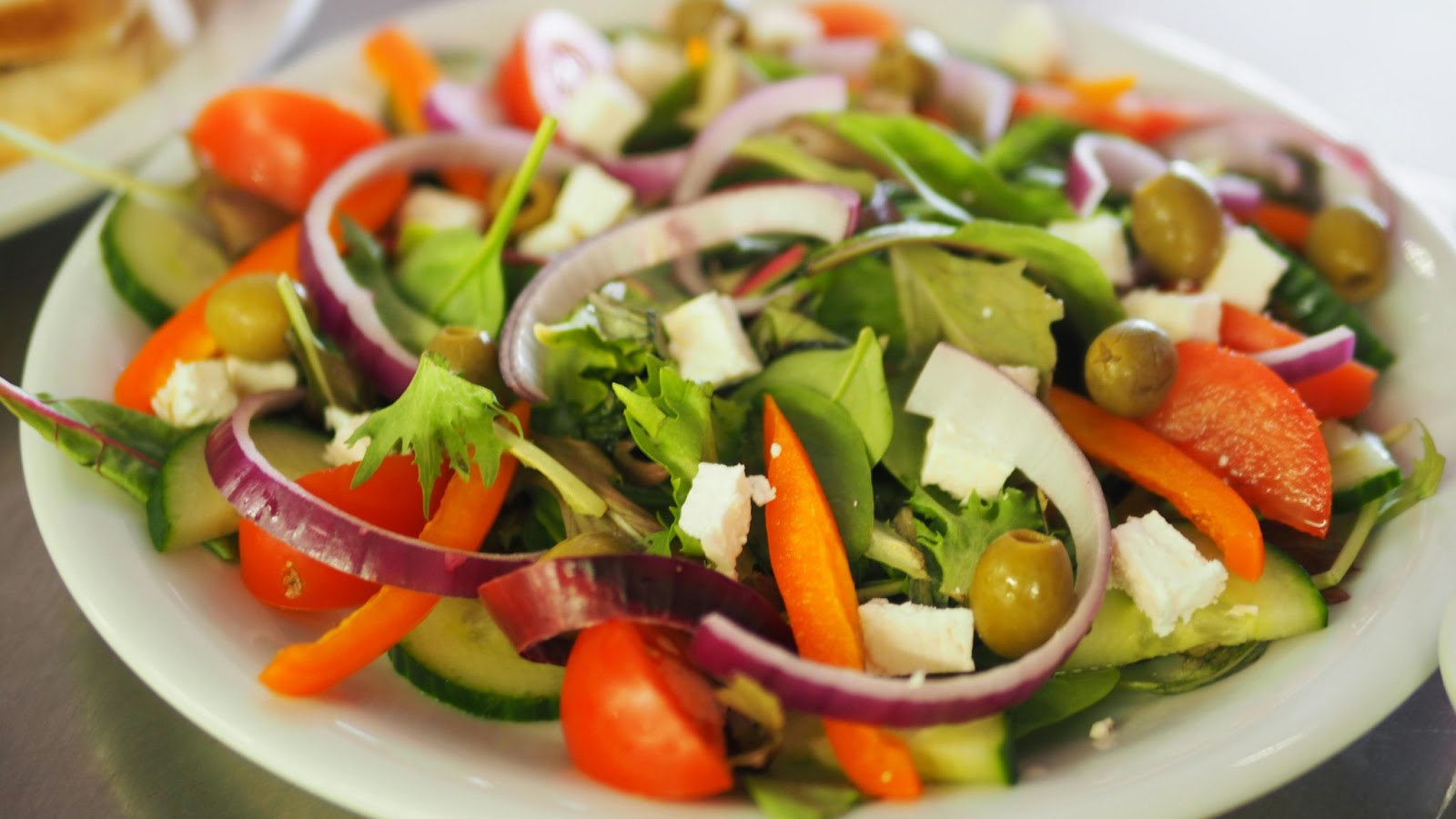
Summer is the best time to enjoy the freshness and abundance of herbs, fruits, and vegetables. Dishes are very varied, both in taste and color, and they're crunchy, juicy, sometimes sweet: a real treat! We immediately think of salads, cold soups, and grilled foods. Be careful not to overdo the latter, as prolonged cooking at high temperatures creates toxic, potentially carcinogenic substances.
What can we gather?
Everything! Well, almost. It must be said that in summer, you have to make a choice because everything grows in a short period. Here's a selection of some wild plants we like to gather in nature.

All summer long
Yarrow, sweet gale leaves, balsam fir, pineapple weed, mushrooms…
June
Raspberry leaves, Labrador tea flowers, horsetail, plantain, nettles, daisy buds…
July-August
Labrador tea leaves, fireweed flowers and leaves, sweet clover, wintergreen, St. John's wort, sweet gale cones…
It's time to celebrate!
You've probably guessed it: the pagan holidays of this season emphasize light and harvests.
Litha
On the summer solstice, which is the longest day, the power of the Sun god is honored. It's also an opportunity to rejoice in the abundance of the harvests that are beginning.
To mark the occasion, bonfires are lit and lively meals are held late into the evening. According to beliefs, it's also a very good time to harvest, as plants are concentrated in benefits.
Note that unlike Yule, which celebrates the gradual return of light, this marks the beginning of the decline of daylight.

Lughnasadh
August 1st is the feast of harvest and sharing. In the heart of summer, we can (and will) enjoy hearty meals and stock up for the year. This festival is peaceful, as it encourages exchange, tasting, and discovery.
A well-known activity: corn husking! Ripe during this period, this sunny and fun plant provides a great reason to gather. You can throw corn cobs, make dolls, or simply enjoy its kernels together.
Summer FAQ
When is the summer solstice in Quebec?
The summer solstice falls between June 20 and 22 depending on the year, the exact date varying with the calendar. It is the longest day of the year, when the northern end of the Earth's axis of rotation is closest to the Sun.
How to protect your skin from the sun naturally?
Avoid exposure between 11 am and 3 pm, prioritize shade, and protect yourself with sunscreen, preferably mineral, when exposure is unavoidable.
What natural remedy for sunburn?
Calendula, comfrey, horsetail, yarrow, and chamomile help soothe and heal the skin, either as a macerate or incorporated into a balm.
How to naturally protect yourself from biting insects?
Essential oils such as spike lavender, rose geranium, citronella, lemon eucalyptus, peppermint, or lemon verbena have a repellent action, but it is limited in duration in the forest. Once bitten, calendula, plantain, chamomile, and spike lavender help calm and heal.
What wild plants can be harvested in summer in Quebec?
All season: yarrow, sweet gale leaves, balsam fir, pineapple weed, mushrooms. In June: raspberry leaves, Labrador tea flowers, horsetail, plantain, nettles. In July-August: Labrador tea leaves, fireweed, sweet clover, wintergreen, St. John's wort, sweet gale cones.
What is Litha?
Litha is the pagan festival of the summer solstice, celebrating the power of the Sun and the beginning of harvests. The occasion is marked with bonfires and late-night meals.
We hope you learned a few things and that you will enjoy this wonderful season. It demands a lot of energy but also gives a good dose of it: it's all about balance!